
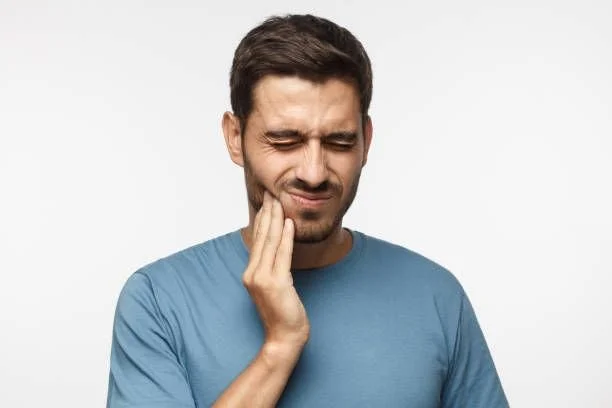
My jaw clicks or sticks. Should I be worried?
Jaw clicking, popping, tightness, or occasional locking is something I see regularly in the clinic.
For some people, it’s been there for years.
For others, it comes and goes, often during stressful periods, after a flare of pain, or following dental or orthodontic treatment.
And very often, the biggest concern isn’t the sound itself, it’s the worry that something serious is being missed.
Let’s talk about it properly.
What is happening in the jaw?
Your jaw joint is called the temporomandibular joint (TMJ).
It works every time you:
talk
chew
swallow
yawn
clench or grind your teeth
It’s supported by a complex system of muscles, ligaments, teeth contact, and habitual movement patterns.
When people talk about TMD, they’re referring to a group of temporomandibular disorders affecting how this system functions, not a single problem with only one cause.
Symptoms can include:
clicking or popping
jaw tightness or stiffness
pain on opening or chewing
occasional locking
facial fatigue
headaches or neck tension in some cases
Is jaw clicking always a problem?
Not always.
A click on its own, especially if it’s always been there and there’s no pain or restriction, is often a mechanical joint sound rather than a sign of damage.
However, if things change, or if clicking is accompanied by:
pain
reduced opening
episodes of locking
or worsening symptoms over time
It becomes more clinically relevant and worth assessing.
Why does it happen?
TMD is considered multifactorial in the current National Institute of Clinical Excellence (NICE)and Getting It Right First Time (GIRFT)-aligned guidance.
In other words, there is rarely one single cause.
Common contributing factors include:
muscle tension and clenching (often during sleep)
clenching during focused daytime activities, such as driving or concentrating
stress load and nervous system activity
jaw overuse (chewing, gum, habitual habits)
sleep quality
posture and neck tension
joint sensitivity or disc movement within the joint
previous trauma or dental changes in some cases
For most people, it is a combination of factors rather than one clear trigger.
Clenching often occurs unconsciously, and many patients only become aware of it during quiet, focused moments, such as driving or working, when they suddenly notice their jaw has been clenched.
Because these habits are often automatic, part of our clinical conversation at Ohh! is helping our patients recognise when and how their jaw muscles are being used throughout the day.
“It’s always done that” &/or “it runs in my family”
I hear this quite often.
Some jaw sounds are present for years without pain or dysfunction. In families, similar patterns can also be noticed.
This can reflect shared influences such as:
chewing habits
stress responses
sleep patterns
posture
general muscle or joint tendencies
While there may be individual biological or connective tissue influences in some cases, it’s rarely a simple inherited “fault” in the jaw itself.
Why do symptoms sometimes flare up
One of the most common patterns is that TMD symptoms fluctuate.
My Patients often describe:
a period of tightness or pain
difficulty opening
then things settle again
This usually reflects muscle overload, joint irritation, or increased clenching activity rather than permanent damage.
This is why reassurance and conservative management are central in current guidance.
What current guidance supports (NICE / GIRFT)
Current UK guidance supports a conservative, stepwise approach to TMJ/TMD.
This includes:
reassurance and a clear explanation
self-management strategies
avoiding aggravating habits during flare-ups
simple pain relief where appropriate
stress and sleep support
physiotherapy or onward referral when needed
In most cases, invasive or irreversible treatment is not first-line.
The focus is on understanding, calming symptoms, restoring function and monitoring over time.
What can help day to day
Many of my patients find simple changes helpful, such as:
avoiding gum chewing during flare-ups
softening diet temporarily if sore
using heat or a gentle massage on the jaw muscles
becoming aware of daytime clenching
jaw relaxation exercises
reducing neck and shoulder tension
supporting sleep and stress regulation
Often, it’s small, consistent changes that make the biggest difference.
When should you get it checked?
You should seek assessment if you experience:
jaw locking or inability to open properly
worsening or persistent pain
difficulty chewing or eating
symptoms that are increasing over time
or ongoing concern that something doesn’t feel right
My approach at Ohh!
At Ohh! TMD is never viewed in isolation.
Jaw function and soft tissue health are routinely assessed during every hygiene visit, even when everything appears normal. This helps you, and I recognise patterns early, monitor change over time, and keep conversations open about function, comfort and overall oral health.
I also listen closely to symptoms beyond the mouth, because broader patterns, including sleep, stress, breathing habits, and muscle activity, often influence jaw function.
I recognise patterns.
My role is not to rush, over-medicalise, or alarm, but to help you understand what may be contributing, reduce any anxiety, and decide together what support is appropriate for you.
The Ohh! approach aligns with current NICE guidance and GIRFT recommendations, which support conservative, patient-centred care and appropriate multidisciplinary input when needed.
No judgement. Just support.
If your jaw clicks, sticks, or feels tight — you are not alone.
For many of my patients, things improve once they understand what’s happening and start addressing contributing factors early.
You don’t need to panic. But you don’t need to ignore it either. We can look at it together.
Stay Fabulous, Always.
Your smile is worth protecting—and we’re here to help you do just that.
Jacqui x
Support your oral health with Ohh! Flow Membership Plans
Book in when you’re ready for your Ohh! Flow Hygiene Experience
Do something today that your future self will thank you for!